How Unblocked Music Is Changing the Game for Independent Artists
Every musician knows the feeling. You spend weeks on a track, tweaking every hi-hat and vocal take, only to upload it and watch it get buried in a sea of releases. For years, the gatekeepers were record labels, radio programmers, and playlist editors. But something has shifted. The rise of what many now call "unblocked music" has changed how artists reach listeners, how they collaborate, and even how they make a living. It is not just about bypassing old gatekeepers. It is about building a new kind of music economy where everyone has a seat at the table.
I have been on both sides of this shift. I started out recording demos on a cracked copy of FL Studio in a friend's basement, using a Shure SM7B that we borrowed from a local church. Back then, getting a track on Spotify felt like winning the lottery. You needed a distributor, a publicist, and a lot of luck. Today, the path is wider. Platforms like DistroKid and TuneCore let you push music to every streaming service for a flat fee. But distribution is just the first step. The real change is happening in how music gets made, shared, and monetized.
The Tools That Opened the Gates
It used to be that making a professional-sounding record required a studio with a Focusrite Scarlett interface and a control room full of outboard gear. Now, an artist can record a vocal on a Focusrite Scarlett Solo in a bedroom, mix it in Ableton Live or GarageBand, and master it on LANDR in an afternoon. The barrier to entry has dropped so low that the question is no longer 'Can I afford to make a record?' but 'Can I afford not to?'
Collaboration has also become frictionless. I have watched producers trade MIDI keyboard parts over BandLab like they used to trade floppy disks. A friend in Berlin once sent me a bass line he recorded in BandLab, I added a synth pad in Ableton, and we had a finished track inside a weekend. We never met in person. That kind of workflow would have been unthinkable a decade ago. Splice has taken it further, offering royalty-free samples and loops that let you borrow sounds from producers around the world. It is a remix culture on steroids.
Where Discovery Happens Now
When I started out, SoundCloud was the wild west of unblocked music. You could upload a rough mix at 3 a.m. and wake up to comments from strangers in Tokyo or São Paulo. That energy is still there, though the landscape has shifted. TikTok and Instagram Reels have become the new radio. A 15-second clip of a chorus can send a track to the top of YouTube Music charts. I have seen artists blow up overnight because a dance challenge turned their song into a meme. It is chaotic, but it works.
Spotify remains the dominant streaming platform, but its algorithm still rewards established acts. That is where platforms like Audius come in. Audius runs on a decentralized model, giving artists more control over their music and how it is shared. It is not for everyone, but it represents a growing desire for alternatives to the big streaming oligopoly. BeatStars has also carved out a niche, allowing producers to sell beats directly to vocalists and rappers. It is like a stock market for hooks.
The phrase "unblocked music" captures this whole ecosystem. It is not just about access. It is about agency. The ability to release a song, promote it, sell it, and keep the rights is something that independent artists fought for decades to achieve. Today, that fight is more winnable than ever. But it still requires hustle.
The Business Side: Gear, Services, and Hustle
Making music is one thing. Making money from it is another. That is where marketplaces like Reverb.com and OohYeah.app come into play. Reverb.com revolutionized the gear trade. I have bought a MIDI keyboard and sold an old Shure SM7B on there, both transactions smoother than anything on Craigslist. But the music economy is bigger than gear. Artists need collaborators, engineers, session players, and visual artists. They need a place to connect that is not just a forum or a social feed.
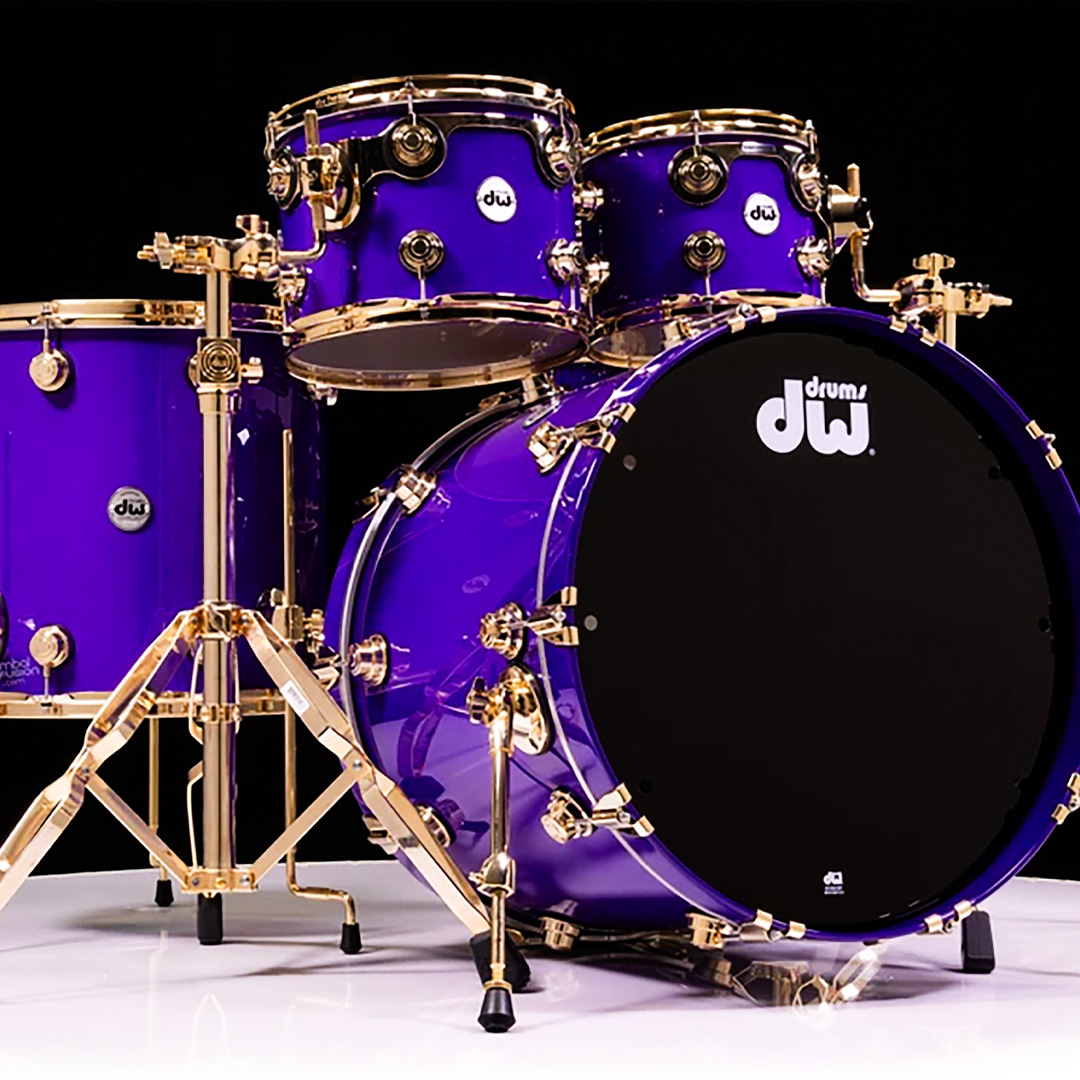
That is the idea behind OohYeah.app. It is a marketplace where musicians, producers, studios, and fans can buy gear, sell services, hire talent, and discover new artists. I have used it to find a drummer for a session when my usual guy was booked. The transaction was simple, the communication clear, and the result was a track that ended up on a playlist. It is not just about the transaction. It is about building a network that feels like a community.
Of course, the old gatekeepers have not vanished. Playlist curators still have power. Radio still matters. But the balance has shifted. An artist can now build a career entirely through direct-to-fan relationships, using tools that were once reserved for major labels. DistroKid and TuneCore handle distribution. LANDR handles mastering. YouTube Music and TikTok handle discovery. The artist handles the creativity and the hustle.
Pitfalls and Trade-offs
I would be lying if I said it was all easy. The flood of unblocked music means the market is saturated. Every day, thousands of tracks go live on Spotify. Standing out requires more than a good song. It requires a strategy, a visual identity, and a willingness to engage with fans on a personal level. I have seen talented artists burn out because they spent all their energy on production and none on promotion.
There is also the question of quality. When anyone can release a track, the bar for what counts as "finished" can drop. I have been guilty of uploading a mix that I knew was not ready, just to hit a deadline. The result was a track that got a few hundred plays and then disappeared. The lesson: access does not guarantee success. It just guarantees opportunity.
Another trade-off is the shift from ownership to subscription. Services like Splice and LANDR require monthly payments. Over time, those fees add up. I have spent more on sample subscriptions than I ever spent on CDs. It is worth it for the creative flexibility, but it is not a net gain for everyone. Independent artists have to be strategic about where they put their money.
What the Future Holds
I think the next wave of unblocked music will come from deeper integration between creation and commerce. Imagine a platform where you can record a track in GarageBand, master it on LANDR, distribute it via DistroKid, and immediately list it for sync licensing or sample sales. Some pieces of that puzzle already exist. OohYeah.app is trying to connect the dots on the talent and service side. Others are working on the royalty and rights side.
One thing is certain: the old model is not coming back. Artists who adapt to this new landscape will thrive. Those who wait for a label to save them will be left behind. I have seen it happen. The musicians I know who are successful are the ones who treat their career like a business. They network on BeatStars for beats, sell presets on BandLab, and promote their shows on TikTok. They drink Monster Energy at 2 a.m. while tweaking a mix, and they do it because they love it.
The tools are there. The audience is there. The only thing missing is the will to make it happen. Unblocked music is not a magic bullet. It is a door. You still have to walk through it.
Ends · UNBLOCKEDMUSICTIPS